The Tron network‘s record activity is being driven by a retail stablecoin surge: everyday users sending USDT (Tether) for fast, low-cost transfers. As of late 2025, daily active addresses and transaction counts hit multi-year highs, with USDT on Tron as the leading driver of on-chain volume.
Key Takeaways
- Retail stablecoin surge: Tron’s growth is led by ordinary users moving USDT, not speculative DeFi trading.
- Record on-chain activity: Daily active addresses reached roughly 5.7 million and single-day transactions topped 12.6 million (figures as of November 2025; verify against a primary source).
- USDT dominance: Tron processes an estimated 15–20 million USDT transfers per week and hosts the second-largest USDT supply after Ethereum.
- Why it matters: Cheap dollar transfers are most popular in regions with limited banking access across Africa, Asia, and Latin America.
- Cost angle: Frequent USDT senders can reduce fees through TRX staking or energy-rental platforms; conditions and savings vary.
What is driving the retail stablecoin surge on Tron?
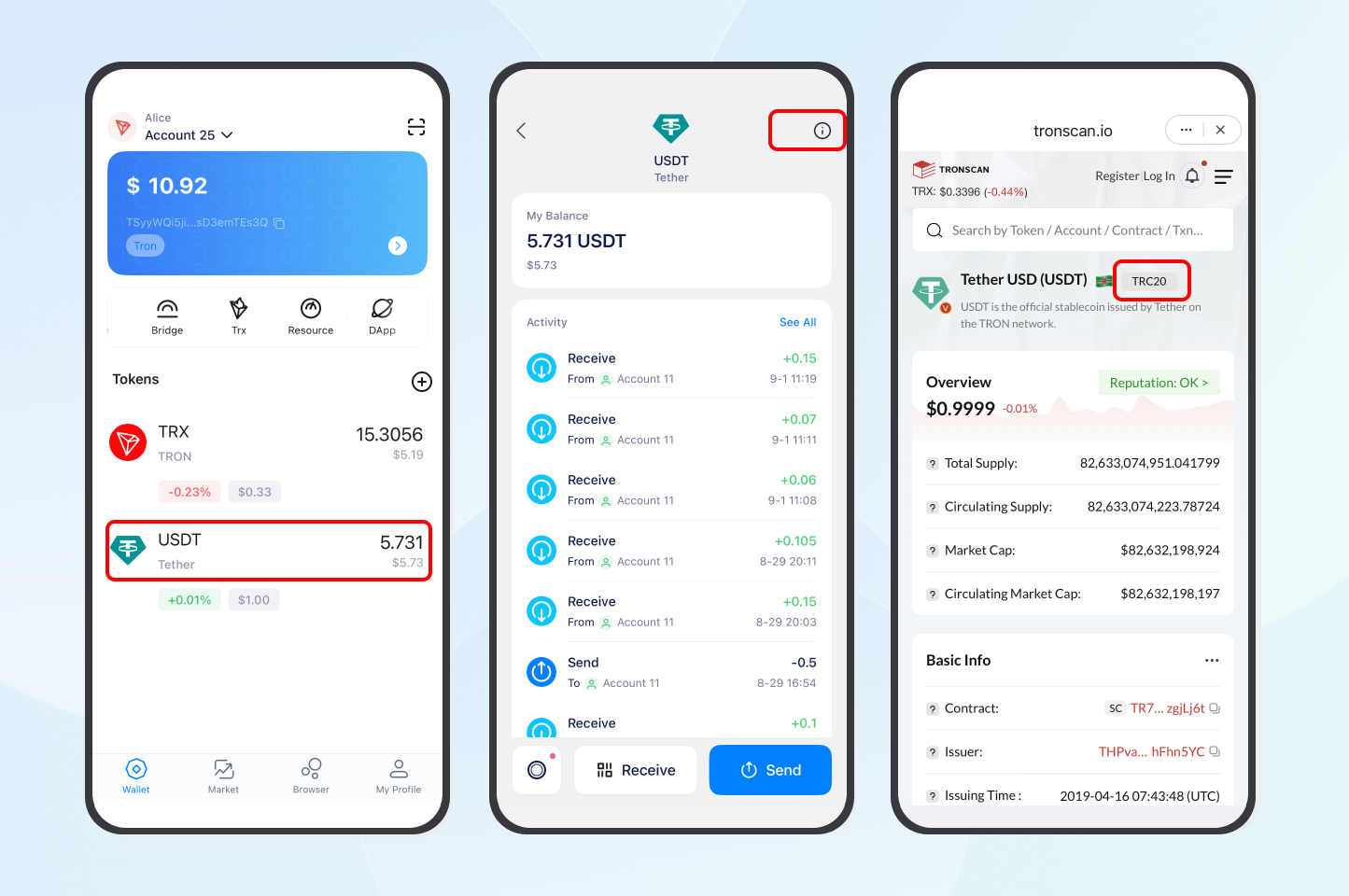
The simple answer: people want dollars that move quickly and cost little. Tron has become a default rail for USDT because transfers settle in seconds and fees are typically far lower than on many alternatives. This practical, payments-first demand—rather than yield farming or token speculation—is what analysts describe as a retail-led trend.
Blockchain analytics firm Nansen highlighted the trend in a recent X update, describing the chain’s throughput as “pure volume without the noise.” Over a recent week, active addresses on Tron rose roughly 69% on a cumulative basis (as of November 2025; verify against a primary source), outpacing several other leading blockchains.
How big is Tron’s record activity?
According to network explorer data, Tron set new internal records for both users and transactions. The headline figures below should be treated as point-in-time snapshots and re-checked against live explorers such as TronScan before being cited.
| Metric | Recent peak | Context |
|---|---|---|
| Daily active addresses | ~5.7 million | All-time high; prior peak ~5.4 million the day before |
| Single-day transactions | ~12.6 million | Highest in more than two years |
| Weekly USDT transfers | 15–20 million | Core of the payments use case |
| Weekly active-address growth | ~69% | Cumulative over the week, not daily |
Figures as of November 2025; verify against a primary source before reuse.
Why is USDT the go-to pair for everyday transfers?
Tron’s DeFi ecosystem is smaller than Ethereum’s, but its strength is plain payments. A breakdown of Tron activity shows USDT dominating alongside the native TRX token, with remaining volume spread across miscellaneous assets.
- Speed: Transfers confirm in seconds, suiting remittances and merchant payments.
- Low cost: A USDT TRC-20 transfer is usually cheaper than equivalent transfers on congested networks.
- Accessibility: A smartphone wallet is enough to send, receive, and hold dollar-pegged value.
- Reach: Adoption is strongest where banking access is limited—across parts of Africa, Asia, and Latin America.
Tether reported reaching its 500 millionth USDT user on October 21, and the World Bank estimates that around 1.4 billion adults worldwide remain unbanked—context that helps explain why mobile stablecoin wallets keep gaining ground. For a deeper look at sending costs, see our guide on how to send USDT on Tron.
How does USDT on Tron compare to the wider stablecoin market?
Tether’s USDT remains the largest stablecoin by market capitalization, with Circle’s USDC the main challenger. The distribution by host chain explains why Tron’s retail stablecoin surge carries weight across the whole sector.
| Stablecoin / chain | Reported figure | Notes |
|---|---|---|
| USDT market cap | ~$183 billion | Majority share of the stablecoin market |
| USDC market cap | ~$76 billion | Second-largest stablecoin |
| USDT on Ethereum | ~$83.4 billion | Largest single-chain USDT supply |
| USDT on Tron | ~$78.7 billion | Second-largest USDT supply |
Approximate values as of late 2025 per CoinGecko and DefiLlama; cross-check current numbers on CoinMarketCap or Tether’s transparency page.
What are the risks behind the surge?
Rapid stablecoin growth carries real trade-offs that retail users should weigh:
- Depeg risk: Stablecoins can briefly trade below $1 during stress; reserves and redemption terms differ by issuer.
- Regulatory exposure: Stablecoin rules are evolving across jurisdictions and could affect availability or compliance requirements.
- Fee variability: “Cheap” transfers depend on network conditions and your energy/bandwidth resources—costs are not fixed.
- Self-custody responsibility: Mobile wallets put security in the user’s hands; lost keys mean lost funds.
This article is informational and not financial advice; always verify figures and do your own research.
How can frequent USDT senders manage Tron fees?
Because USDT TRC-20 transfers consume energy, heavy users often look for ways to lower the per-transfer cost. There are a few legitimate approaches, and the right one depends on how often you transact:
- Staking (freezing) TRX to obtain your own energy and bandwidth—best for steady, predictable usage. See how staking TRX provides energy or bandwidth.
- Energy-rental platforms such as TronSave, which let you rent energy short-term instead of locking up TRX—useful for occasional or bursty activity. Savings vary with market conditions.
- Wallet-native resource tools offered by some apps and exchanges, which abstract away energy management.
No single method is best for everyone: compare staking, rentals, and wallet defaults against your own volume before deciding.
Frequently Asked Questions
What is the retail stablecoin surge on Tron?
It refers to a wave of everyday, payments-focused USDT usage on the Tron network—ordinary users sending dollar-pegged value rather than speculative trading—that pushed activity to record highs in late 2025.
Why do people use USDT on Tron instead of other chains?
Transfers are fast and usually low-cost, and a basic smartphone wallet is enough, which makes Tron popular for remittances and savings in regions with limited banking access.
How many USDT transfers does Tron handle?
Estimates put it at roughly 15–20 million USDT transfers per week (as of late 2025; verify against a primary source), making stablecoin payments the chain’s dominant use case.
Is Tron the biggest host for USDT?
No. Ethereum hosts the largest USDT supply (~$83.4 billion), with Tron second (~$78.7 billion) per DefiLlama figures from late 2025; check current data before citing.
Can I reduce the cost of sending USDT on Tron?
Often yes—by staking TRX for your own energy or renting energy through platforms like TronSave. Actual savings depend on network conditions and how frequently you transact.
Are stablecoins on Tron safe?
They carry risks including depeg events, regulatory changes, and self-custody mistakes. Treat them as tools with trade-offs and do your own research before relying on them.
Source: Cointelegraph, Nansen, CoinGecko, DefiLlama
⚠️ Not financial advice. This article is for educational and informational purposes only and reflects the author’s opinion at the time of writing. It is not investment, financial, legal, or tax advice. Cryptocurrency is highly volatile and you can lose your entire principal; prices, APYs, and on-chain fees change constantly and may be out of date. Always do your own research (DYOR) and consult a licensed financial advisor before buying, selling, staking, or lending any digital asset.
Disclosure: This is the official TronSave blog. TronSave sells TRON energy/resource (fee-reduction) services and has a commercial interest in the products and topics covered here.