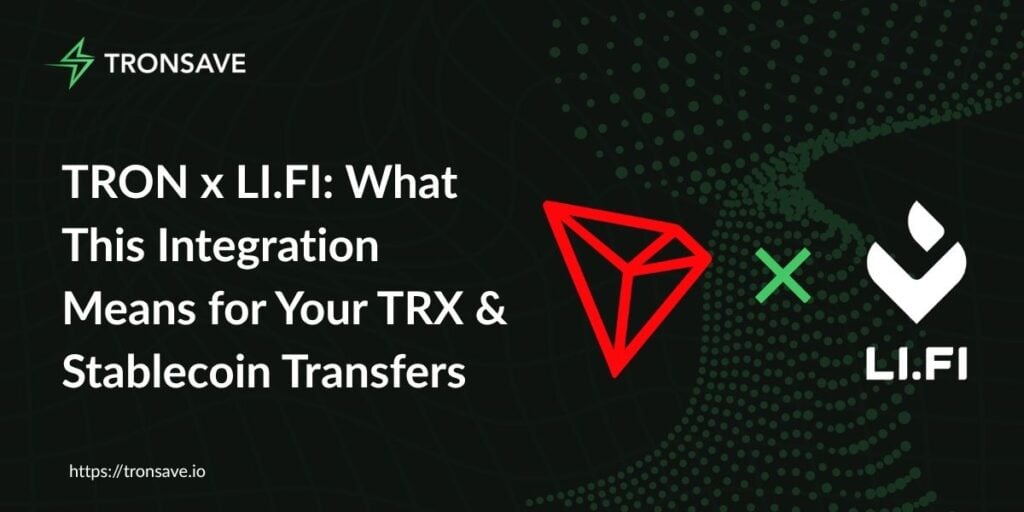
On April 21, 2026, TRON DAO announced that LI.FI integrated the TRON blockchain, opening direct cross-chain stablecoin transfers between TRON and 1,000+ apps and wallets. For anyone holding TRX or moving USDT, this makes bridging stablecoins in and out of TRON faster and simpler.
You can read the original announcement on tron.network and verify on-chain activity through TronScan. Below is a plain-English breakdown of what changed and how it affects everyday USDT users.
Key Takeaways
- LI.FI now routes stablecoin transfers directly into and out of TRON through a single cross-chain API.
- TRON connects to Ethereum, Arbitrum, Base, BNB Chain, Solana and other networks via LI.FI.
- Users of LI.FI-powered apps can swap and bridge USDT on TRON without leaving the interface.
- More routed volume can raise demand for TRON Energy, which comes from staking TRX.
- Bridges carry real risks: fees, slippage, limited routes and smart-contract exposure.
What Is LI.FI, and Why Does It Matter for Stablecoin Transfers?
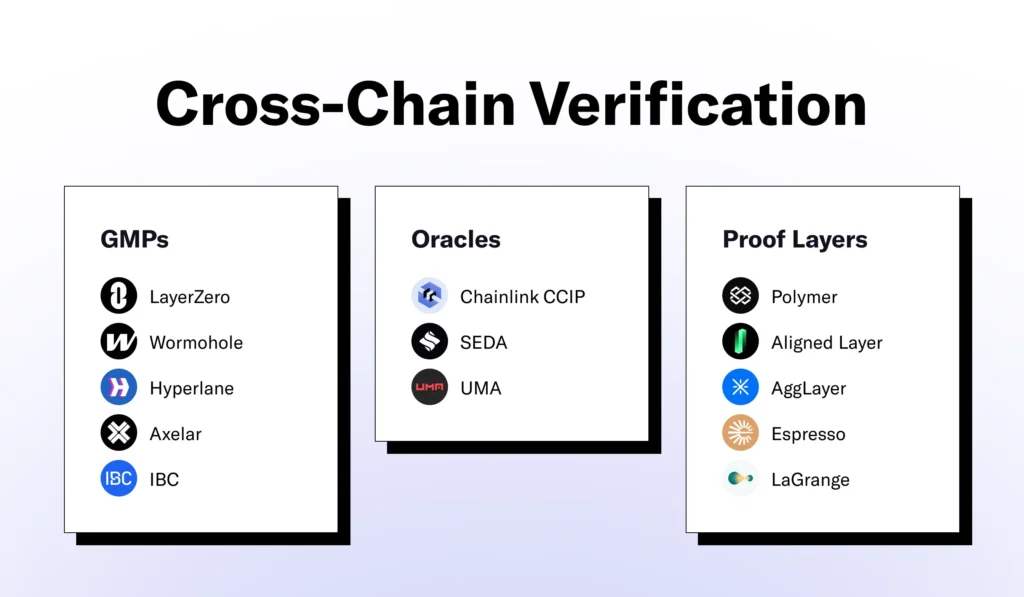
LI.FI is a cross-chain liquidity orchestration layer. In plain terms, it is a toolkit that lets applications bridge and swap tokens across many blockchains through one API, so developers do not build a separate integration for every bridge or DEX.
Think of it as a universal router for liquidity. Instead of each app wiring its own bridge to Ethereum, Solana, or BNB Chain, LI.FI handles routing in one place. Before this update, TRON sat largely outside that ecosystem; the integration brings TRON-based stablecoin transfers into the same multichain network.
What Does the Integration Actually Do?
The integration affects developers and end users in a few concrete ways:
- USDT bridging in and out of TRON. Apps built on LI.FI can route USDT directly into and out of TRON on supported routes, with results varying by liquidity and network conditions.
- Connections to major networks. TRON plugs into LI.FI’s ecosystem spanning Ethereum, Arbitrum, Base, BNB Chain, Solana and others.
- One API, not many bridges. Builders access TRON liquidity through a single connection instead of maintaining separate bridge integrations.
- In-app access for users. Many dApps run on LI.FI under the hood, so users can swap and bridge stablecoins on TRON inside those apps.
How Big Is TRON’s Stablecoin Footprint?
TRON is one of the largest networks for USDT activity. The figures below are approximate and should be verified against a primary source before use; bridge and DeFi data ages quickly.
| Metric (approx., as of 2026 — verify) | Figure | Where to verify |
| Circulating USDT on TRON | ~$80B+ | TronScan / Tether |
| Total user accounts | ~370M+ | TronScan |
| Total transactions ever | ~13B+ | TronScan |
| Total Value Locked (TVL) | verify on DeFiLlama | DeFiLlama |
The reasons TRON sees heavy stablecoin use are consistent: low fees, fast settlement and deep USDT liquidity. That fee structure is also why optimizing transaction costs through Energy matters to active users.
Why Does This Integration Matter for TRON Users?
More volume can mean more demand for stablecoin transfers and Energy
When more apps route flows through TRON via LI.FI, TRC-20 transfer volume tends to rise. On TRON, a USDT transfer consumes Energy, which you obtain by staking TRX. Energy replenishes daily, and TRX is burned only when you do not have enough Energy to cover a transaction.
If you make frequent stablecoin transfers, several approaches can reduce costs: staking your own TRX for Energy, having Energy delegated to your wallet, or using a resource service. Platforms such as TronSave sell or delegate Energy, but staking and other providers are valid alternatives — compare them for your usage.
Lower friction to move assets onto TRON
By making it easier to bridge from other chains, LI.FI lowers the barrier for new users and developers to reach TRON. More on-chain activity can follow, though growth depends on broader market conditions.
TRON as a stablecoin settlement layer
According to the announcement, Sam Elfarra, Community Spokesperson for TRON DAO, framed the goal as supporting TRON’s role as a settlement layer for global stablecoin activity, while LI.FI CEO and Co-Founder Philipp Zentner described TRON as a leading ecosystem for stablecoin payments.
What Are the Risks and Limitations?
Cross-chain stablecoin transfers are not free or risk-free. Keep these limitations in mind:
- Fees and slippage vary by route, size and liquidity, and can be significant on thin pairs.
- Supported routes are limited; not every token or chain pair is available, and availability changes.
- Smart-contract and bridge risk is real — bridges have historically been targets for exploits.
- Alternatives exist: other bridges and aggregators may offer better pricing for a given transfer, so compare quotes.
This article is educational and not investment advice. Staking, bridging and DeFi carry risk, including slippage, smart-contract and market risk. Do your own research and verify routes and fees before transacting.
Frequently Asked Questions (FAQ)
What does the TRON x LI.FI integration enable?
It lets apps built on LI.FI route stablecoin transfers, especially USDT, directly into and out of TRON, and connects TRON to many EVM and non-EVM networks through one API.
Do I pay fees for stablecoin transfers on TRON?
A USDT transfer on TRON consumes Energy. If you have enough Energy from staking TRX or from delegation, the TRX cost is minimal; otherwise TRX is burned to cover the transaction.
How do I get Energy for cheaper transfers?
You can stake your own TRX to generate Energy that replenishes daily, receive delegated Energy, or buy Energy from a resource service. Compare staking and providers to fit your transfer frequency.
Is bridging through LI.FI safe?
No bridge is risk-free. LI.FI aggregates routes, but you still face slippage, fees and smart-contract risk. Verify the route, check fees, and start with small amounts.
Where can I verify TRON’s stablecoin figures?
Use primary sources such as TronScan for on-chain data, Tether for USDT supply, and DeFiLlama for TVL. Figures above are approximate as of 2026.
Does this make TRON the only option for stablecoins?
No. TRON is a major stablecoin network, but Ethereum, Solana and others also carry large USDT and USDC volumes. The integration simply makes moving between them easier.
⚠️ Not financial advice. This article is for educational and informational purposes only and reflects the author’s opinion at the time of writing. It is not investment, financial, legal, or tax advice. Cryptocurrency is highly volatile and you can lose your entire principal; prices, APYs, and on-chain fees change constantly and may be out of date. Always do your own research (DYOR) and consult a licensed financial advisor before buying, selling, staking, or lending any digital asset.
Disclosure: This is the official TronSave blog. TronSave sells TRON energy/resource (fee-reduction) services and has a commercial interest in the products and topics covered here.