Running a business on USDT TRON means settling supplier payments, payroll, and personal spending in Tether (USDT) issued on the TRON network instead of through traditional bank transfers. Merchants choose it for near-instant settlement, low transaction fees, and 24/7 availability — though it also carries stablecoin, custody, and regulatory risks worth understanding first.
The story below describes an illustrative entrepreneur, “Leo Chan,” running a business on USDT TRON as a composite scenario representative of how many small merchants across Asia are reported to use stablecoins. It is not a verified individual interview; treat the figures as typical ranges, not guarantees.
Key Takeaways
- A business on USDT TRON can settle cross-border payments in seconds rather than the 1–2 business days common with bank wires.
- TRON network fees for a USDT (TRC-20) transfer are typically a fraction of a dollar to a few dollars, versus $25–$50+ for many international wires — verify current costs on a block explorer.
- USDT is a stablecoin pegged to the US dollar; it is not risk-free (depeg, issuer, custody, and regulatory risks all apply).
- Fee-optimization tools like TronSave, plus self-staking TRX for resources, can reduce on-chain costs — compare options before committing.
- Spend cards (for example, RedotPay) let merchants convert stablecoin balances into everyday purchases.
What does it mean to run a business on USDT TRON?
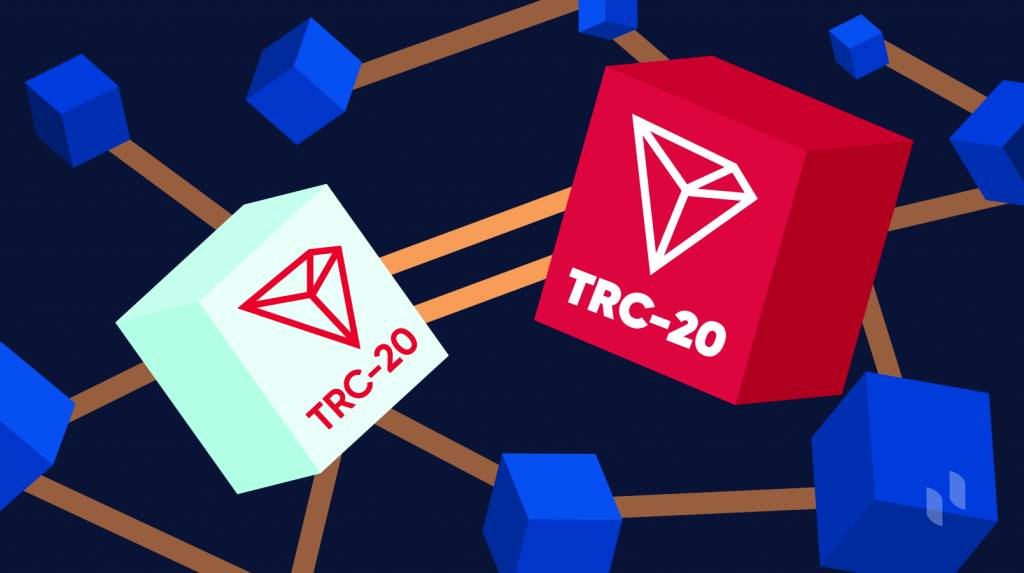
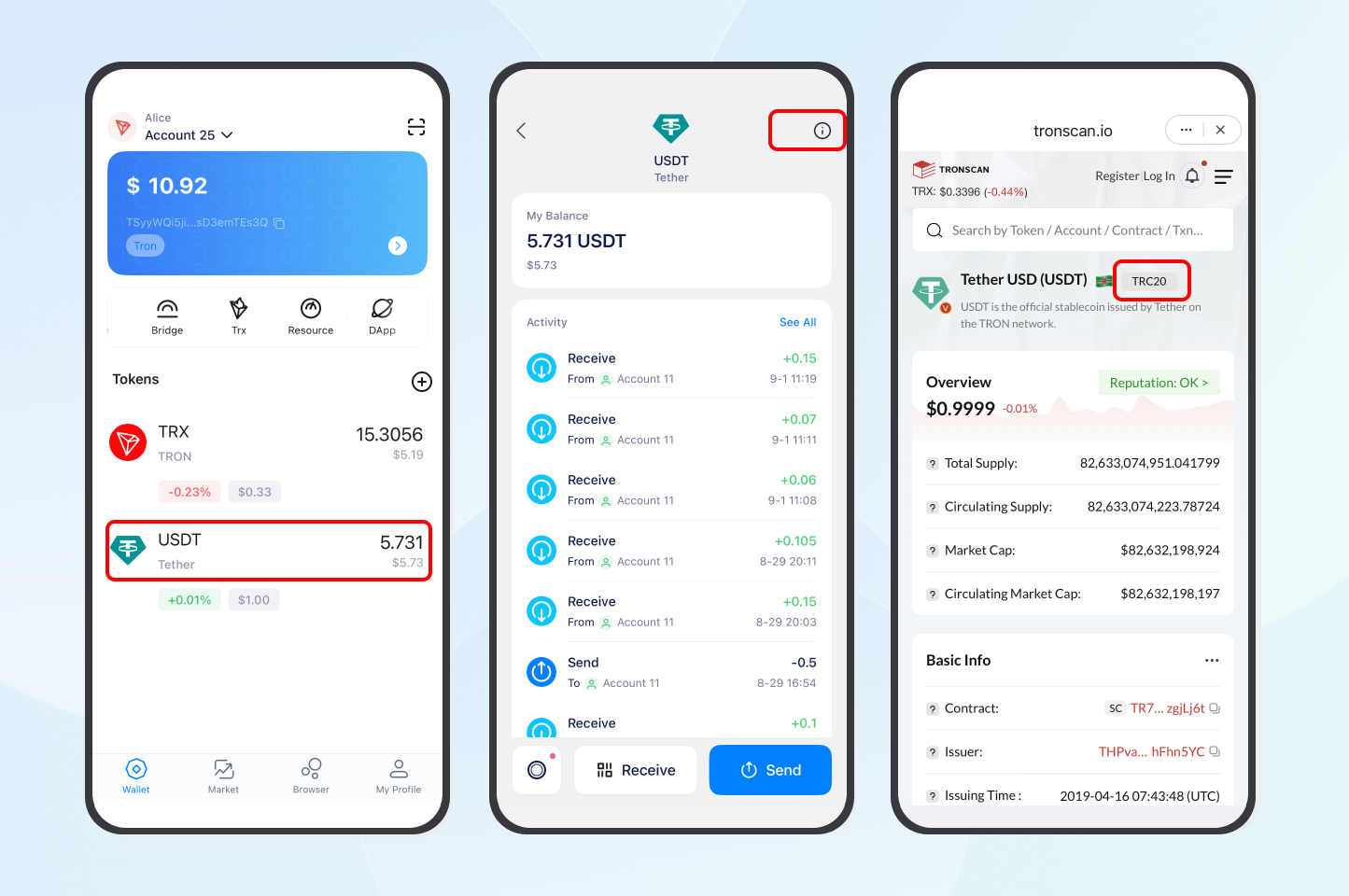
It means using dollar-pegged USDT tokens on the TRON blockchain as a working currency. Suppliers are paid in USDT, incoming revenue is received in USDT, and balances are either held on-chain or off-ramped to local fiat as needed. TRON is popular for this because TRC-20 USDT transfers are fast and inexpensive compared with many alternatives.
As of 2026, USDT on TRON remains one of the most widely transacted stablecoin formats by volume, according to public on-chain data — verify the latest figures against a primary source such as TronScan. Adoption is strongest in regions where banking access is slow, costly, or restricted.
How fast and cheap are USDT TRON transfers versus banks?
The practical appeal is speed and cost. A bank wire often clears in one to two business days and can cost $25–$50 or more in combined sending, intermediary, and receiving fees. A TRC-20 USDT transfer typically confirms in under a minute and costs far less in network fees.
Reported savings of “up to ~81%” on transfer costs are plausible for specific corridors but vary widely by bank, amount, and network conditions. Treat any single percentage as illustrative and confirm real costs yourself using on-chain examples.
| Factor | Bank wire | USDT on TRON (TRC-20) |
|---|---|---|
| Settlement time | 1–2 business days | Seconds to ~1 minute |
| Typical fee | $25–$50+ | Under ~$5 (verify on-chain) |
| Availability | Business hours | 24/7, including weekends |
| Reversibility | Sometimes recallable | Irreversible once confirmed |
| Custody | Bank-held | Self-custody or exchange |
Figures are approximate as of 2026; verify against a primary source. Network fees fluctuate with TRON resource pricing.
How do you set up a business on USDT TRON safely?
Treating stablecoins as a business tool requires the same discipline as any treasury function. A practical setup looks like this:
- Pick a wallet: Choose a reputable self-custody or exchange wallet that supports TRC-20 USDT. Back up your recovery phrase offline.
- Test small first: Send a tiny transfer to confirm addresses and timing before moving large amounts.
- Budget for resources: TRON transactions consume Energy and Bandwidth. You can stake TRX to obtain these, or use a fee-reduction service.
- Plan your off-ramp: Decide in advance how you convert USDT back to local currency, and document it for accounting.
- Keep records: Save transaction hashes; they are verifiable on a public explorer for bookkeeping and tax purposes.
To understand the resource model before paying fees, see our explainer on TRON Energy and Bandwidth, and our walkthrough on buying Energy and Bandwidth to lower per-transfer costs.
What are the tradeoffs and risks?
The benefits are real, but a business on USDT TRON is not a drop-in replacement for a bank without caveats:
- Stablecoin risk: USDT aims to hold a 1:1 dollar peg but is not government-insured and can deviate; review Tether’s transparency reports.
- Irreversibility: Sending to a wrong address usually means permanent loss.
- Custody: Self-custody removes a middleman but makes you responsible for key security.
- Regulatory: Stablecoin rules vary by country and are evolving; consult a local professional.
- Volatility around edges: While USDT is stable, on/off-ramp spreads and local fiat swings still matter.
How do you spend USDT from a business account?
Stablecoin balances can fund day-to-day purchases through crypto-linked spend cards. Services such as RedotPay let users connect a wallet and pay merchants that accept ordinary card networks, converting USDT at the point of sale. Compare card fees, supported regions, and KYC requirements, since these differ by provider.
For cost control on the network side, merchants often compare three approaches: paying standard fees, staking TRX to self-supply Energy and Bandwidth, or using a fee-optimization service like TronSave. The right mix depends on transaction volume — high-frequency businesses tend to benefit most from staking or pooled-resource tools.
Frequently Asked Questions
Is running a business on USDT TRON legal?
Legality depends on your jurisdiction. Many countries permit stablecoin use with tax and reporting obligations, while others restrict it. Confirm local rules with a licensed advisor before relying on it commercially.
How much does a USDT TRON transfer actually cost?
It varies with TRON resource pricing and whether you hold staked Energy. Costs are commonly under a few dollars and can be lower with optimization tools. Verify live costs using a transaction example on TronScan.
Is USDT guaranteed to stay at $1?
No. USDT is designed to track the US dollar but is not guaranteed or insured. It has historically held close to its peg, yet depeg events are possible. Review issuer transparency data before holding large balances.
What is the difference between TRC-20 and ERC-20 USDT?
They are the same asset on different blockchains. TRC-20 runs on TRON (typically cheaper, faster); ERC-20 runs on Ethereum. Always match the network when sending, or funds can be lost.
Can I reduce TRON network fees?
Yes. You can stake TRX to receive Energy and Bandwidth, or use a fee-reduction service such as TronSave. Compare both against simply paying standard fees for your volume.
What happens if I send USDT to the wrong address?
Blockchain transfers are irreversible once confirmed. There is usually no way to recover funds, which is why testing with a small amount first is essential.
⚠️ Not financial advice. This article is for educational and informational purposes only and reflects the author’s opinion at the time of writing. It is not investment, financial, legal, or tax advice. Cryptocurrency is highly volatile and you can lose your entire principal; prices, APYs, and on-chain fees change constantly and may be out of date. Always do your own research (DYOR) and consult a licensed financial advisor before buying, selling, staking, or lending any digital asset.
Disclosure: This is the official TronSave blog. TronSave sells TRON energy/resource (fee-reduction) services and has a commercial interest in the products and topics covered here.