Blockchain Life 2025 in Dubai was the 15th edition of the long-running crypto forum, held in October 2025. According to organizers, it drew approximately 16,730 attendees from around 130 countries, and featured Telegram founder Pavel Durov announcing a new TON-linked network called Cocoon.
Key Takeaways
- The forum reportedly hosted ~16,730 attendees from ~130 countries (per organizers; verify against the official site).
- More than 160 speakers and around 200 exhibition booths covered Web3, mining, and digital assets.
- Pavel Durov used the stage to introduce Cocoon, a network pairing the TON blockchain with decentralized AI.
- Major ecosystems present included Tether, TRON, Ripple, TON, Mastercard, and Google Cloud.
- For TRON users, the forum highlighted how resource models like energy and bandwidth keep transaction costs low — an area where tools such as TronSave and native staking both apply.
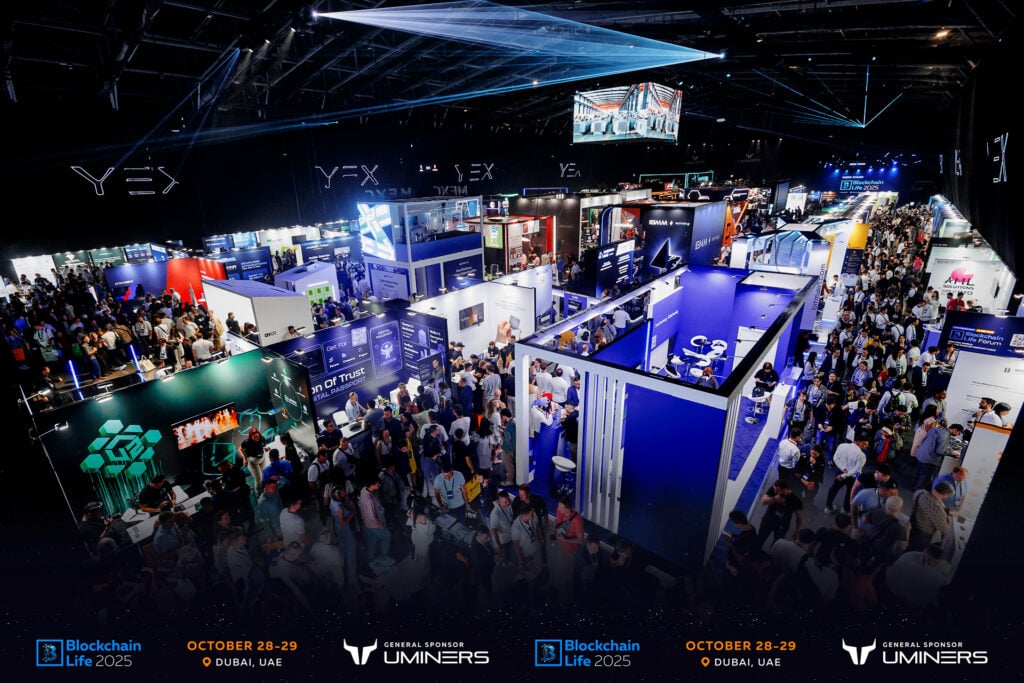
Source: Blockchain Life forum promotional materials.
What was Blockchain Life 2025 in Dubai?
Blockchain Life is one of the longest-running international crypto forums, and the 2025 Dubai edition marked its 15th installment. The event brought together founders, exchanges, infrastructure providers, and Web3 projects for two days of talks, exhibitions, and networking.
According to organizers, the forum set an attendance record of roughly 16,730 participants from about 130 countries. These figures come from the event’s own announcements, so treat them as organizer-reported rather than independently audited numbers.
Who spoke at the forum?
Per organizers, more than 160 speakers appeared on stage, spanning global brands and leading blockchain ecosystems. The lineup reportedly included representatives from:
- Stablecoins and payments: Tether, Mastercard
- Layer-1 and infrastructure: TRON, TON, Mysten Labs (Sui), Ripple
- Data and cloud: CoinMarketCap, Google Cloud, Amazon
- Wallets, exchanges, and DeFi: Trust Wallet, 1inch, KuCoin, OKX, dYdX
- Investment and gaming: DWF Labs, Animoca Brands, ADGM
The agenda focused on practical strategies, emerging trends, and the future of digital assets, Web3, and mining. The exhibition space featured around 200 booths from companies including OKX, Bybit, KuCoin, HTX, Bitget, Ledger, TRON, Trust Wallet, and Bitmain.
What did Pavel Durov announce at the forum?
A widely discussed moment was the appearance of Pavel Durov, founder of Telegram. During his talk he introduced Cocoon, described as a new network combining the TON blockchain with decentralized AI technologies. Durov closed his remarks by urging the audience to “stand up for their rights and freedom.”
Because project details can change quickly after a launch announcement, anyone evaluating Cocoon should confirm specifics — architecture, token model, and timelines — against TON’s official documentation rather than relying on conference summaries alone.
How does this matter for TRON users?
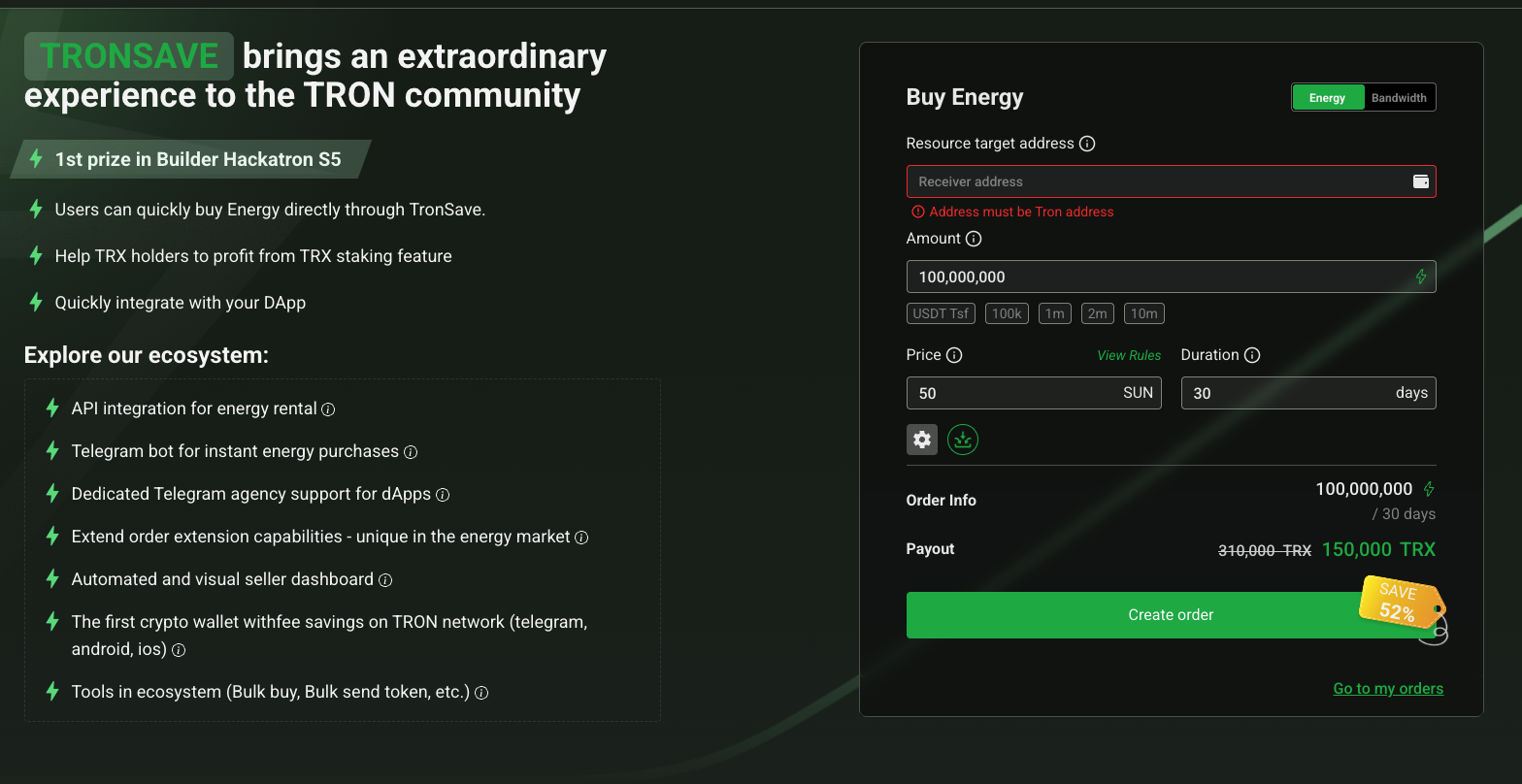
TRON had a visible presence at the forum, both as a speaker and an exhibitor. For people who actually use the network, the relevant takeaway is operational: TRON transactions are powered by energy and bandwidth resources, and managing those resources well is what keeps fees low — especially for frequent USDT (TRC-20) transfers.
There are two main ways to handle this:
| Approach | How it works | Best for |
|---|---|---|
| Native staking (freezing TRX) | Freeze TRX via your wallet to generate energy/bandwidth directly on-chain | Long-term, predictable usage |
| Energy rental services (e.g. TronSave and peers) | Rent energy on demand for short periods instead of locking capital | Occasional or burst transactions |
| Paying the network fee in TRX | Let the network burn TRX automatically when resources run out | One-off transfers |
Each route has trade-offs around cost, capital lock-up, and convenience. Renting can be cheaper than burning TRX for heavy USDT users, while staking suits those comfortable freezing assets for the long haul. To go deeper on the mechanics, see our guide on Consensus Hong Kong 2026 coverage and broader TRON ecosystem context, and our explainer on the USD1 stablecoin for how stablecoin shifts affect on-chain activity.
How does Blockchain Life compare to other crypto events?
- Scale: With ~16,730 reported attendees, it sits among the larger global crypto gatherings, though attendance claims across events are rarely standardized.
- Focus: It blends exchange, mining, and Web3 audiences rather than targeting a single niche.
- Format: A two-day mix of keynotes, a large expo floor, and high-profile afterparties — the 2025 edition closed with an official afterparty at Club Iris featuring a performance by Akon.
For an objective view of how TRON-focused organizations engage with regulators and the wider industry, our recap of TRON DAO at Europol’s crypto crime event offers useful contrast.
Frequently Asked Questions
When was Blockchain Life 2025 in Dubai held?
The 15th edition took place in October 2025 in Dubai. A subsequent edition was promoted for December 1–2, 2025; since it is now 2026, treat any ticket or promo offers as expired and check the official organizer for current dates.
How many people attended?
Organizers reported approximately 16,730 attendees from about 130 countries. These are self-reported figures, not independently audited, so verify them against the official Blockchain Life website.
What is Cocoon?
Cocoon is the network Pavel Durov announced at the forum, described as combining the TON blockchain with decentralized AI. Confirm technical details via TON’s official documentation.
Was TRON involved in the event?
Yes. TRON appeared among both the speakers and exhibitors, reflecting its position as a major Layer-1 network, particularly for USDT (TRC-20) settlement.
How do energy and bandwidth keep TRON fees low?
Energy and bandwidth are consumable resources that cover computation and transaction size. You obtain them by staking TRX or renting energy through services like TronSave, which can reduce or eliminate the TRX burned per transaction.
Where can I verify these claims?
Use primary sources: the official Blockchain Life site for attendance, tron.network for TRON ecosystem facts, and TON’s documentation for Cocoon.