The USD1 stablecoin is a US dollar-pegged token from World Liberty Financial (WLFI) that launched on the TRON blockchain in June 2025. The move added a new TRC-20 dollar token to TRON’s ecosystem, expanding stablecoin choice beyond USDT and USDC for payments and DeFi. Last updated: 2026.
Key Takeaways
- What it is: USD1 is a fiat-backed stablecoin issued by World Liberty Financial, pegged 1:1 to the US dollar.
- When: Minting on TRON began June 11, 2025, announced June 12, 2025 in Geneva.
- Backing: Per WLFI, reserves are short-term US Treasuries, US dollar deposits, and cash equivalents (verify against a published attestation).
- Why TRON: Low fees and high throughput make it a common home for dollar stablecoins.
- Risk: Stablecoins can de-peg; reserve transparency and regulation around WLFI/USD1 remain key questions.
What is the USD1 stablecoin?
The USD1 stablecoin, developed by World Liberty Financial, is described by its issuer as a fully backed digital dollar pegged to the US dollar. According to WLFI, USD1 is supported by short-term US government treasuries, US dollar deposits, and other cash equivalents. As with any stablecoin, those claims should be checked against a published reserve attestation rather than taken at face value.
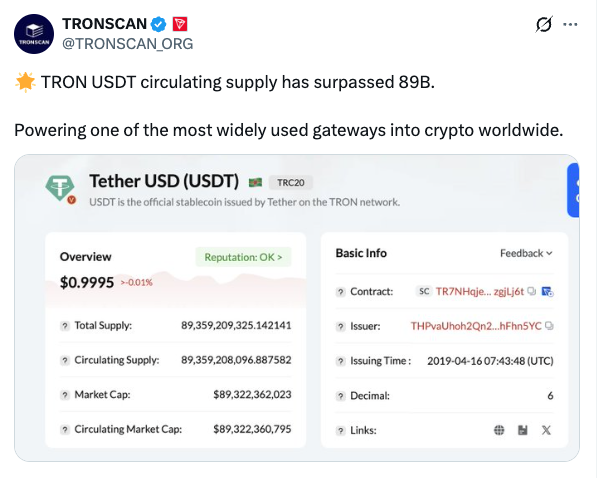
Unlike algorithmic tokens, USD1 is designed as a collateral-backed stablecoin: each token is meant to be redeemable for one dollar. That model is the same one used by larger tokens such as Tether’s USDT and Circle’s USDC, which together still dominate stablecoin supply on TRON and across the wider market.
When and how did the USD1 stablecoin launch on TRON?
The minting of USD1 on TRON began on June 11, 2025, and was announced publicly on June 12, 2025, at an event in Geneva, Switzerland. TRON founder Justin Sun marked the occasion on X, calling it a notable step for stablecoins.
The decision to issue USD1 on TRON was first signalled at Token2049 in Dubai, where WLFI co-founder Eric Trump indicated that USD1 would be used to settle MGX’s reported $2 billion investment into Binance. The TRON integration followed shortly after. For details, see the primary announcement from tron.network and check the live TRC-20 contract and supply on TronScan.
Why did WLFI choose TRON for the USD1 stablecoin?
TRON is a high-throughput blockchain known for fast settlement and low transaction costs, which is why it already hosts a large share of global USDT transfers. For a dollar token aimed at payments and cross-border settlement, those properties matter.
- Low fees: Transfers cost a fraction of a cent in most conditions, helped by TRON’s energy/bandwidth resource model.
- Liquidity: TRON already carries deep stablecoin liquidity, easing on- and off-ramps.
- Reach: Wide exchange and wallet support for TRC-20 tokens.
If you regularly move dollar tokens on TRON, the network’s resource system is worth understanding — see our guide on USDT on TRON and why it leads stablecoins. Renting energy through staking, TronSave, or other resource platforms can cut the cost of frequent transfers.
How does USD1 compare to other TRON stablecoins?
| Stablecoin | Issuer | Backing model | Standard on TRON |
|---|---|---|---|
| USD1 | World Liberty Financial | Fiat / Treasuries (per issuer) | TRC-20 |
| USDT | Tether | Reserves incl. Treasuries | TRC-20 |
| USDC | Circle | Cash & short-term Treasuries | TRC-20 |
USD1 is a newer entrant and far smaller than USDT or USDC. Circulating supply and adoption figures change frequently, so confirm current numbers on TronScan or CoinMarketCap before relying on them.
What are the risks of the USD1 stablecoin?
No stablecoin is risk-free. Before using USD1 or any dollar token, weigh the following:
- De-peg risk: A stablecoin can trade below $1 if confidence falls or reserves are questioned.
- Reserve transparency: The strength of any backing claim depends on independent, regularly published attestations or audits.
- Regulatory uncertainty: WLFI and USD1 have drawn scrutiny, and rules for stablecoins continue to evolve across jurisdictions.
- Platform and listing risk: Exchange support can change — see our coverage of HTX delisting USD1 amid a freezing dispute.
What has happened to USD1 on TRON since launch?
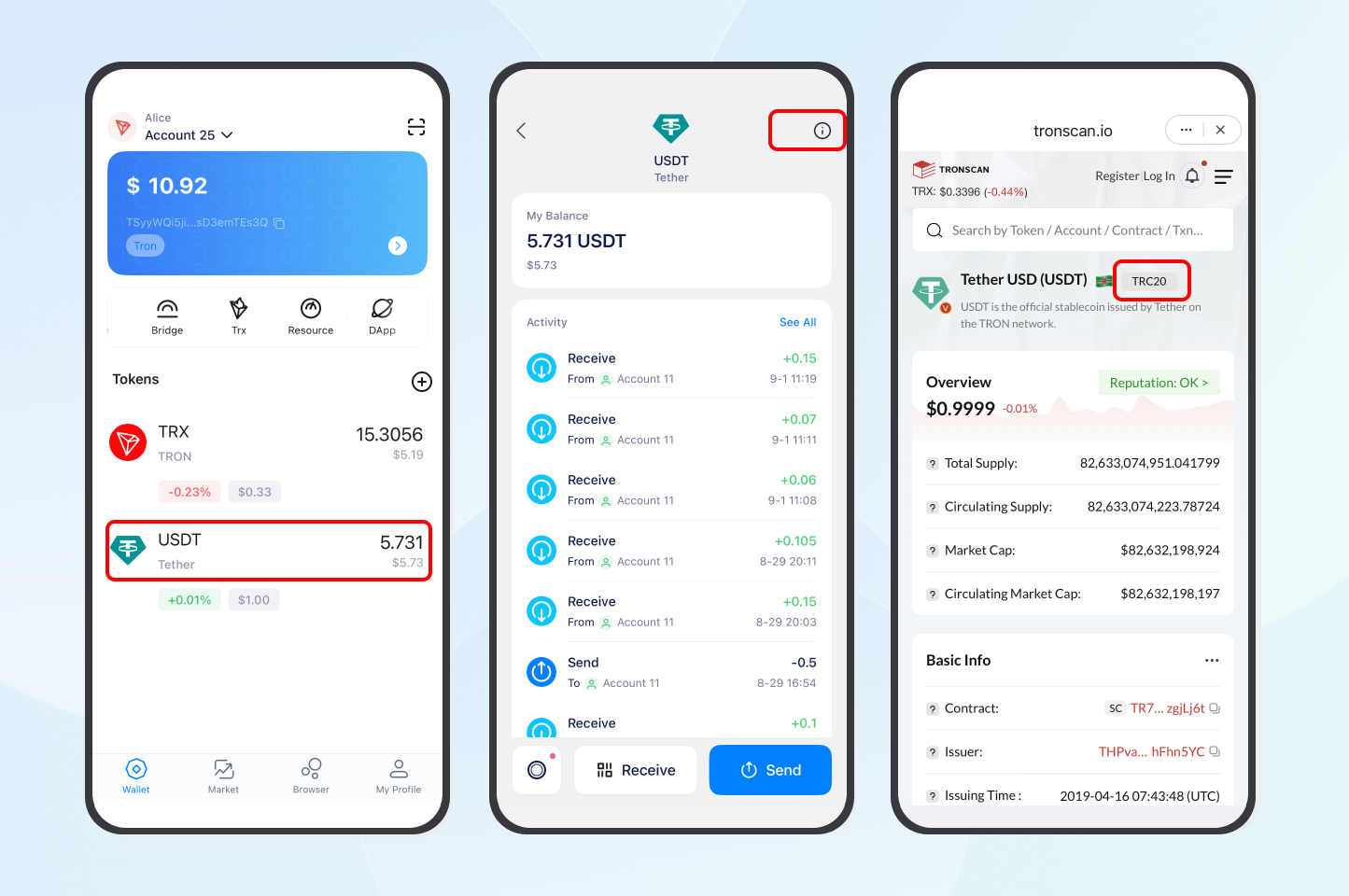
Since the 2025 launch, USD1 has continued to circulate as a TRC-20 token alongside TRON’s much larger USDT supply. Adoption, circulating supply, and any peg deviations are best verified directly on-chain. Reviewing the contract on TronScan shows holder counts and transfer activity in real time, which is more reliable than restating launch-day press material. We have not independently verified current supply figures here; treat any specific number as needing confirmation against a primary source as of 2026.
Frequently Asked Questions
What is the USD1 stablecoin?
USD1 is a US dollar-pegged stablecoin issued by World Liberty Financial, available on TRON as a TRC-20 token and designed to be redeemable 1:1 for dollars.
Who created USD1?
USD1 was created by World Liberty Financial (WLFI), a DeFi and governance project publicly associated with the Trump family.
Is USD1 safe?
Like all stablecoins, USD1 carries de-peg, reserve-transparency, and regulatory risks. Always check for current reserve attestations and do your own research before using it.
How is USD1 different from USDT on TRON?
Both are dollar-pegged TRC-20 tokens, but USDT (Tether) is far larger and more widely used, while USD1 is a newer, smaller entrant from a different issuer.
Why was USD1 launched on TRON?
TRON offers low fees and high throughput and already hosts deep stablecoin liquidity, making it a practical network for dollar tokens used in payments and settlement.
How can I reduce fees when moving USD1 on TRON?
TRON transfers consume energy and bandwidth. Staking TRX for resources, or renting energy through platforms like TronSave or alternatives, can lower the cost of frequent transfers. See how to buy and move TRC-20 dollar tokens for context.
⚠️ Not financial advice. This article is for educational and informational purposes only and reflects the author’s opinion at the time of writing. It is not investment, financial, legal, or tax advice. Cryptocurrency is highly volatile and you can lose your entire principal; prices, APYs, and on-chain fees change constantly and may be out of date. Always do your own research (DYOR) and consult a licensed financial advisor before buying, selling, staking, or lending any digital asset.
Disclosure: This is the official TronSave blog. TronSave sells TRON energy/resource (fee-reduction) services and has a commercial interest in the products and topics covered here.